
Audience Targeting Strategies for Online Stores
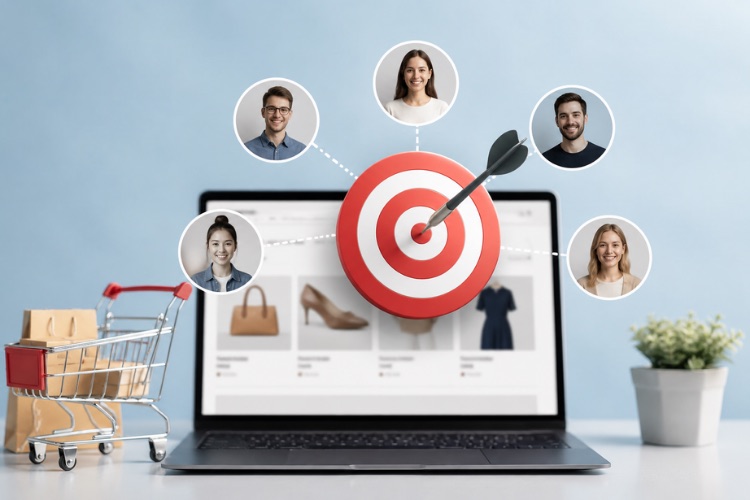









The thought that it would be a great idea to get your products in front of more people is correct. However, for an online business, the more the merrier is not always the more. Wasting money if the ads you are paying for don’t convert to sales.
The first step to a successful ecommerce advertising campaign is to know who to target. It’s not always a good idea to show the same ad to the first-time visitor as to the returning customer or even the cart abandoner.
Start With Buying Intent
Not all customers are in the same stage of the buying cycle.
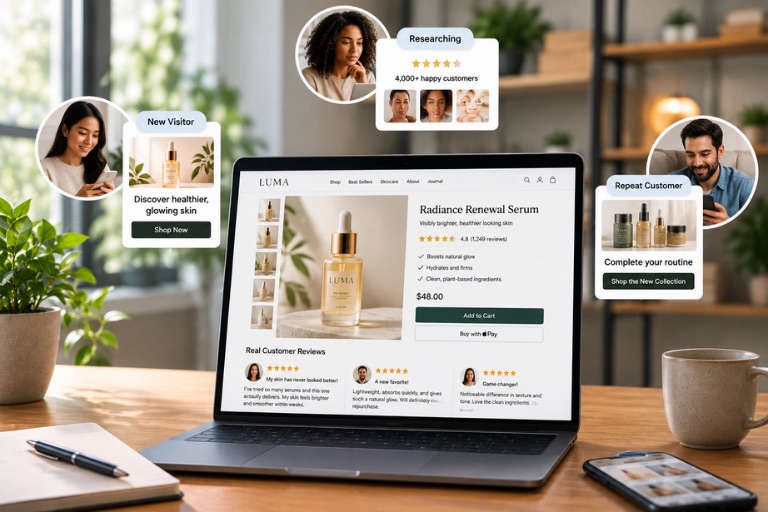
A person who is unfamiliar with your brand will need you to communicate a message that is different from the one you communicate to a person who has read through 10 pages of the pages you have on your products. You can segment visitors deliberately and send a customized message when you don’t have to make any assumptions about who visitors are or whether they are ready to make a purchase.
For example, a new user might be looking for the introduction of a product, whereas the repeat customer may need more of a push.
Use Your Customer Data
Your existing customers can give you a lot of information on who will continue to buy from you in the future.
Check out their purchase history, product preferences, repeat purchases, website activity and previous interaction with your ads. This information can help to develop more targeted audience segments and identify trends that might not be evident when targeting broadly.
When you’re looking for your campaigns to be more representative of your audience that already has a relationship with your brand, first-party data is especially useful.

Give Each Group Different Ads
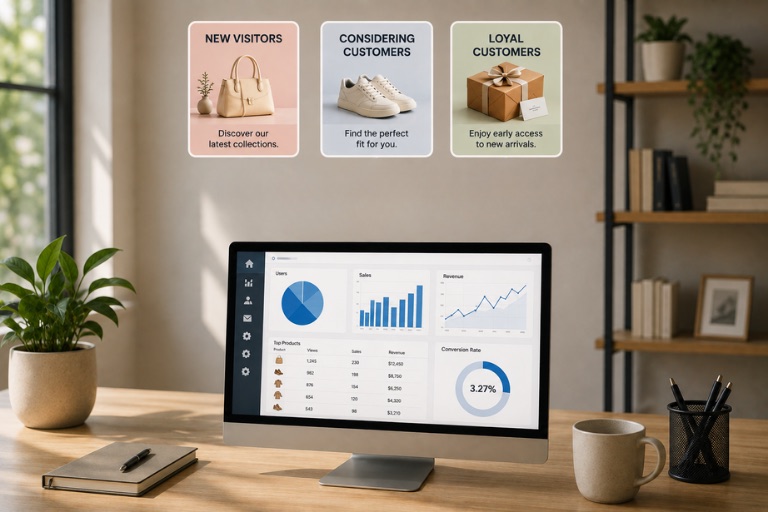
After audiences have been segmented, the next step is to cease displaying the same creative to all audiences. After audiences have been segmented, the next step is to stop the same creative from being shown to all audiences.
When a customer just purchases a product, they could want a complementary product. Those who saw a product but didn’t purchase it might require some extra information or a reminder. A loyal customer might be more open to a new collection or the promise to purchase the new collection early.
Message should be based on listeners, not listeners based on message.
Don’t Forget Returning Shoppers
The fact that the visitor has walked away from your store without purchasing anything doesn’t necessarily mean the customer has walked away.
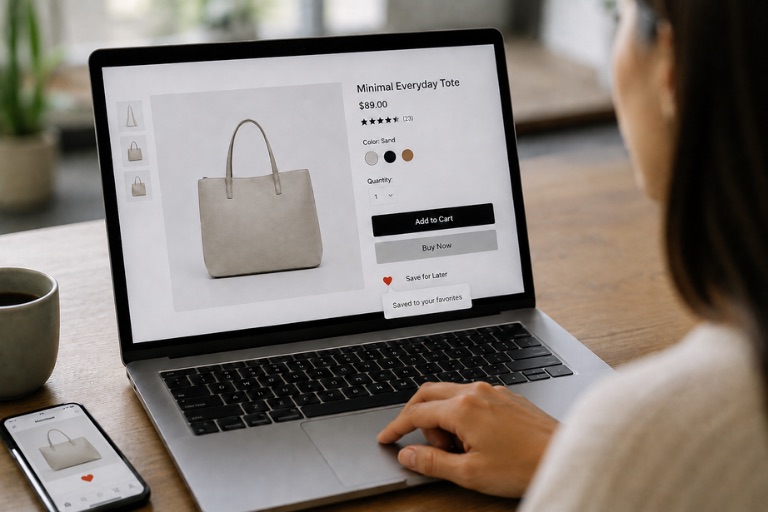
Retargeting provides you with a second chance at connecting with those who are interested. Each can have a different treatment if they were viewing a product, abandoning their shopping cart, or were customers before.
The key is to be able to follow up and stop. Repeat selling is not a strategy!
Keep Testing Your Segments
Audience targeting isn’t a one-size-fits-all. Customer behavior changes, products change, and campaign performance changes over time.
Test different audience segments, monitor the conversions, and see which segments are creating good customers. It may be better to have a smaller, more focused audience that will pay more than a larger audience that clicks but doesn’t purchase.

Audience Targeting Strategies for Online Stores
Ready to Reach Better Customers?
One of the key points to keep in mind with ecommerce ads is that it isn’t just about reaching the widest possible range of people. It’s the point of knowing who’s going to buy and why they should buy your brand.
Brill Media can support ecommerce brands in creating audience-based advertising campaigns by using insights about the audience, campaign performance data, and ongoing optimization to reach the right shoppers and get better results.
Audience Targeting Strategies for Online Stores
Supercharge your performance media buying 🚀